
When Hope was barely a teenager, she was sent away from her family home to marry a man in a village far away. She returned home to her mother’s house when she was ready to deliver her first baby.
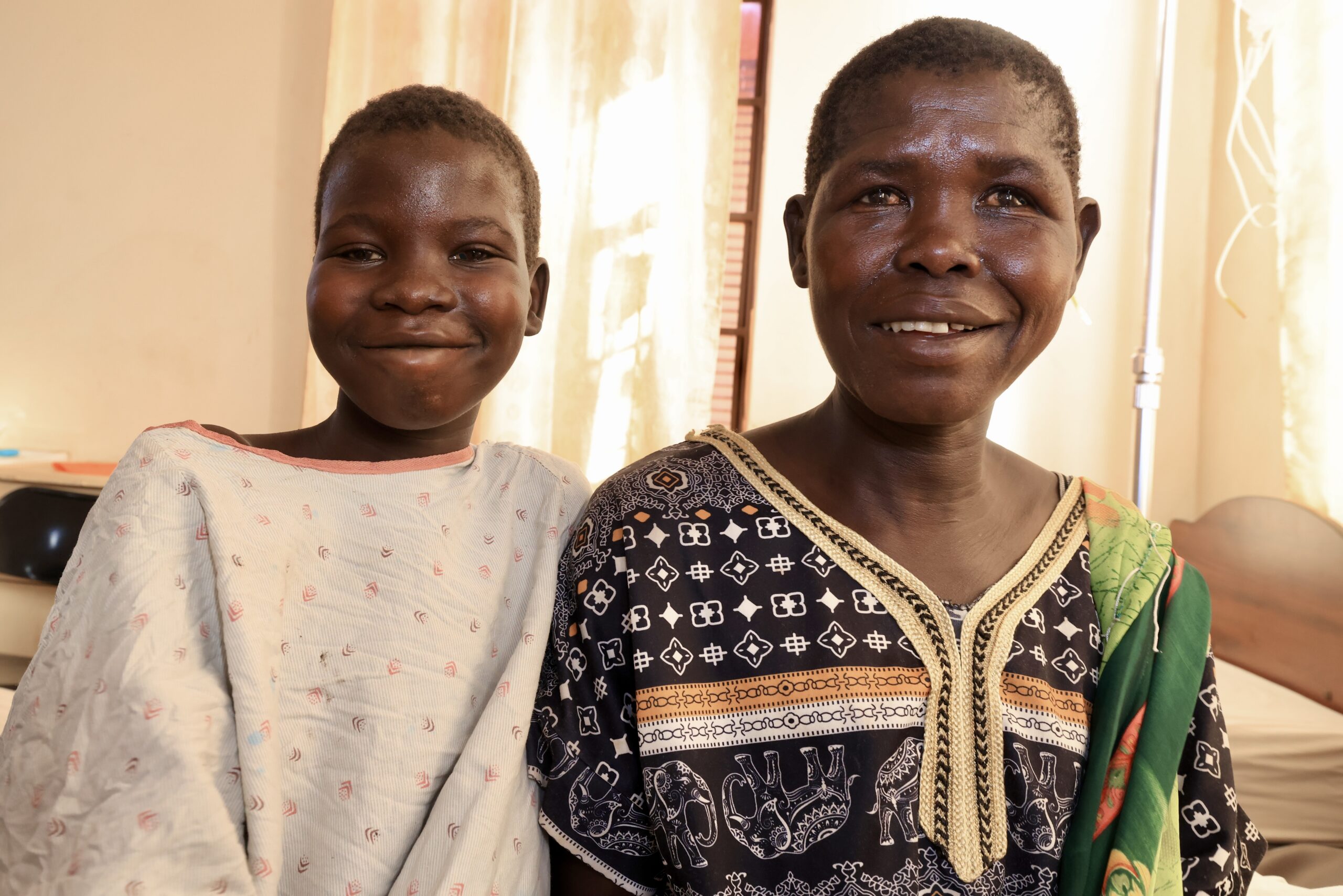
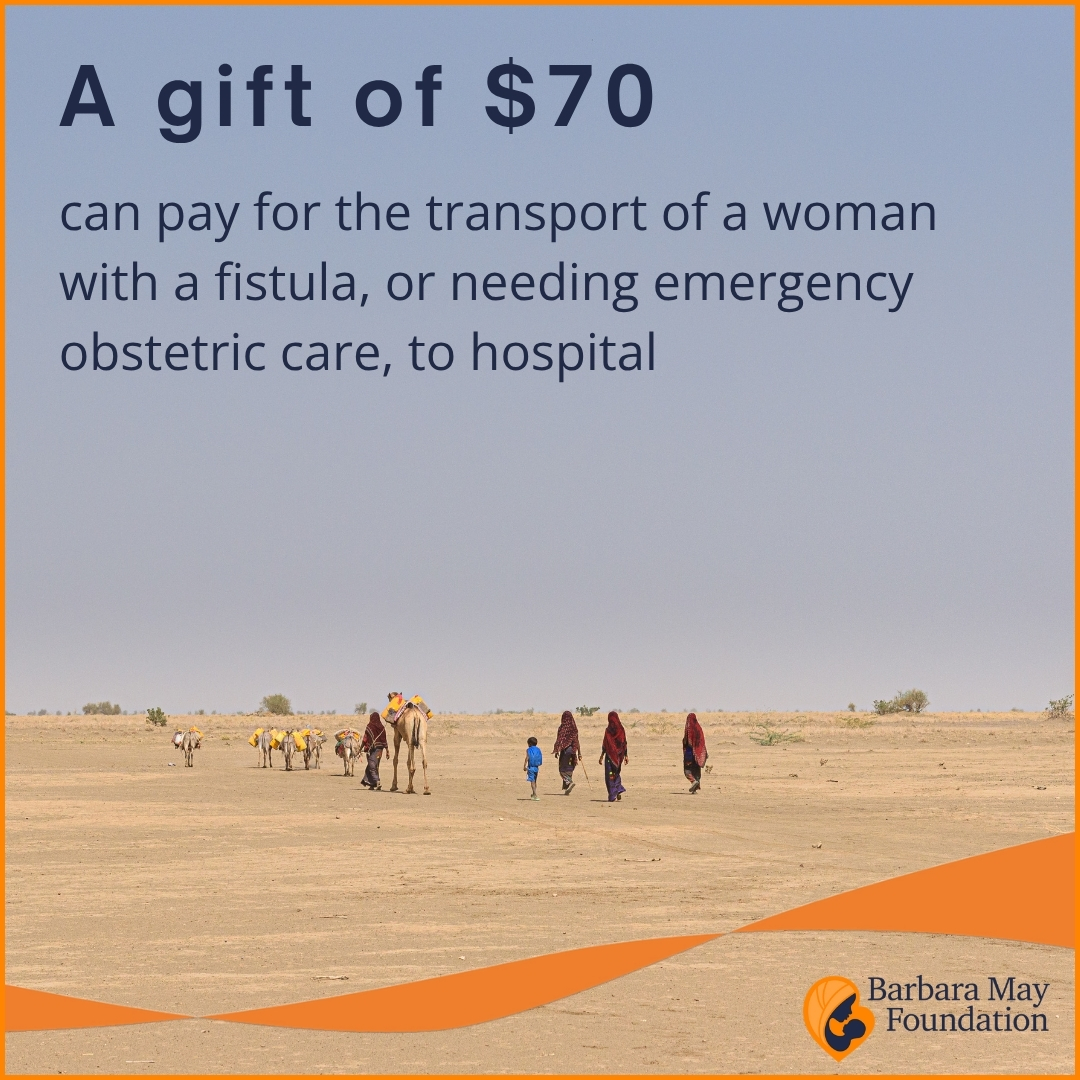
Hope was in labour for four days before her family finally sought help. They set out on the family motorcycle for the 24-hr journey to the closest hospital. By this time, Hope was delirious and unable to support herself, so three people rode together: one holding her from behind, Hope in the middle, and the driver at the front.
By the time she reached hospital, Hope was unconscious. Doctors took her straight to theatre for an emergency caesarean, but her baby had already died. They soon discovered she had also developed an obstetric fistula.
Hope spent six months in hospital, desperately weak and fighting sepsis. Her caesarean wound broke down with infection, requiring several more operations, and she eventually needed a hysterectomy.
The doctors at the hospital where she stayed knew about the fistula treatment being offered in Juba. When she was well enough, her transport was arranged, and Hope and her mother made the journey together.
The surgical team met Hope at a fistula camp earlier this year.
“Hope had dreadful injuries and most of her bladder and all of her birth canal was destroyed, making a cure very unlikely,” said Dr Andrew Browning. “It was repaired as best we could.”
Months later, Dr Andrew received news from the team at Juba that against all odds, Hope had been cured. Though there will be challenges ahead, Hope can now face her future with strength and dignity once more.
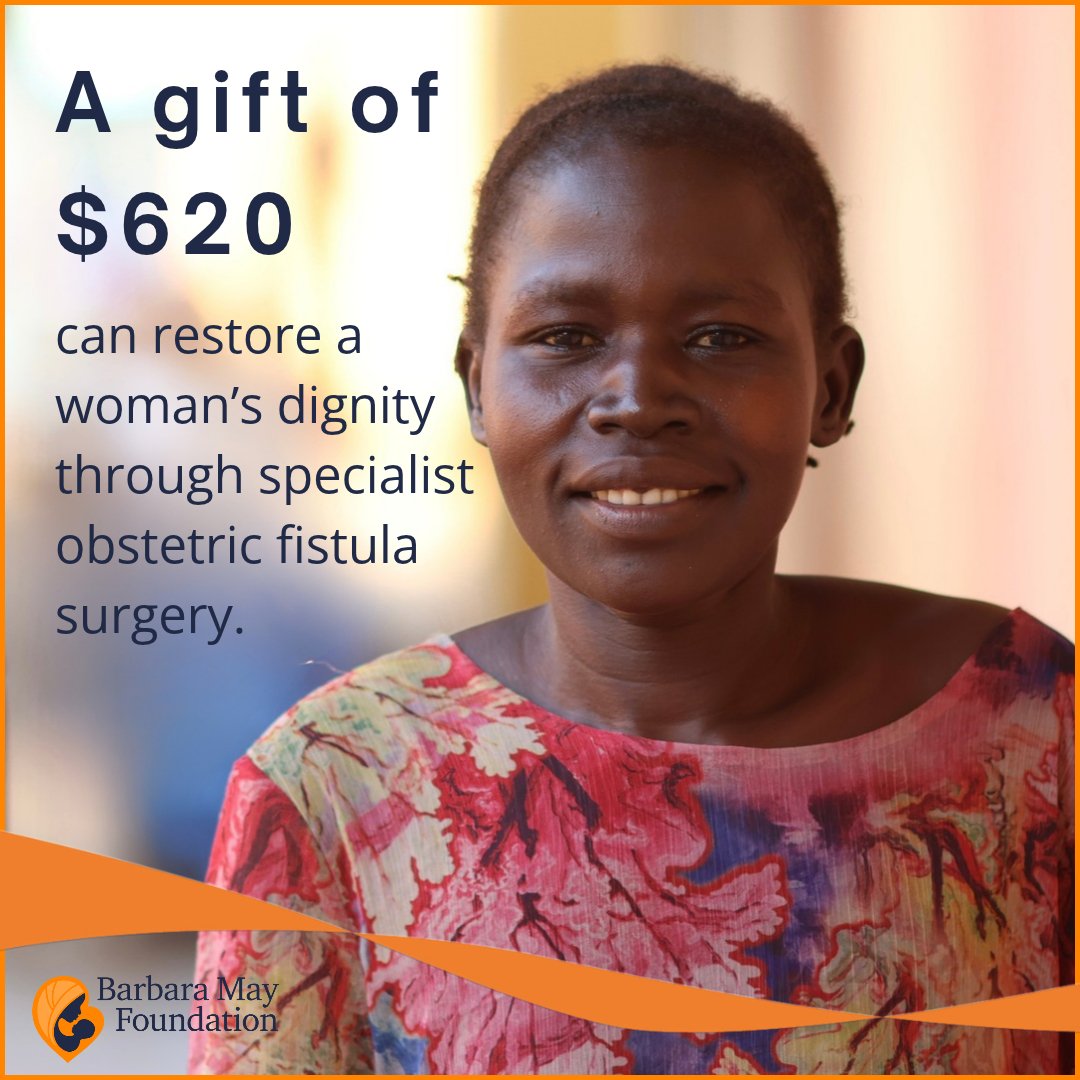
Your generosity matters to each and every one of the women who come to our partner hospitals. Thank you for partnering with us to help girls like Hope have their dignity restored.
Hope’s name has been changed to protect her privacy.