Obstetric Fistula Surgery Camps
When a woman has an obstetric fistula injury she needs a specialist operation to be cured.
Dr Andrew Browning AM, our Medical Director, is one of the world’s leading fistula surgeons. Now that he lives in Australia and travels regularly to Africa, he attends intensive fistula camps at our partner hospitals throughout the year so he can travel and treat as many women as possible while on-the-ground.
What is a Fistula Camp?
A fistula camp is the result of months of preparation for an intensive week of surgeries, usually held at a hospital where we’ve been invited to come.
- First, local staff lead awareness campaigns educating communities via radio, churches and places of worship, community gathering spaces, social workers and outreach teams, to identify and transport patients.
- When the camp begins, the patients are screened on arrival. The surgical team typically consists of the local hospital staff and at least one fistula surgeon with one to two trainee surgeons.
- Local staff screen patients on arrival and, when it’s time, prepare them for theatre. Fistula operations begin at 7.30am on as many as 10 women a day, with as many as 45 or more operations completed in a week.
- Patients then stay two to three weeks to recover, receiving all care and support for free.
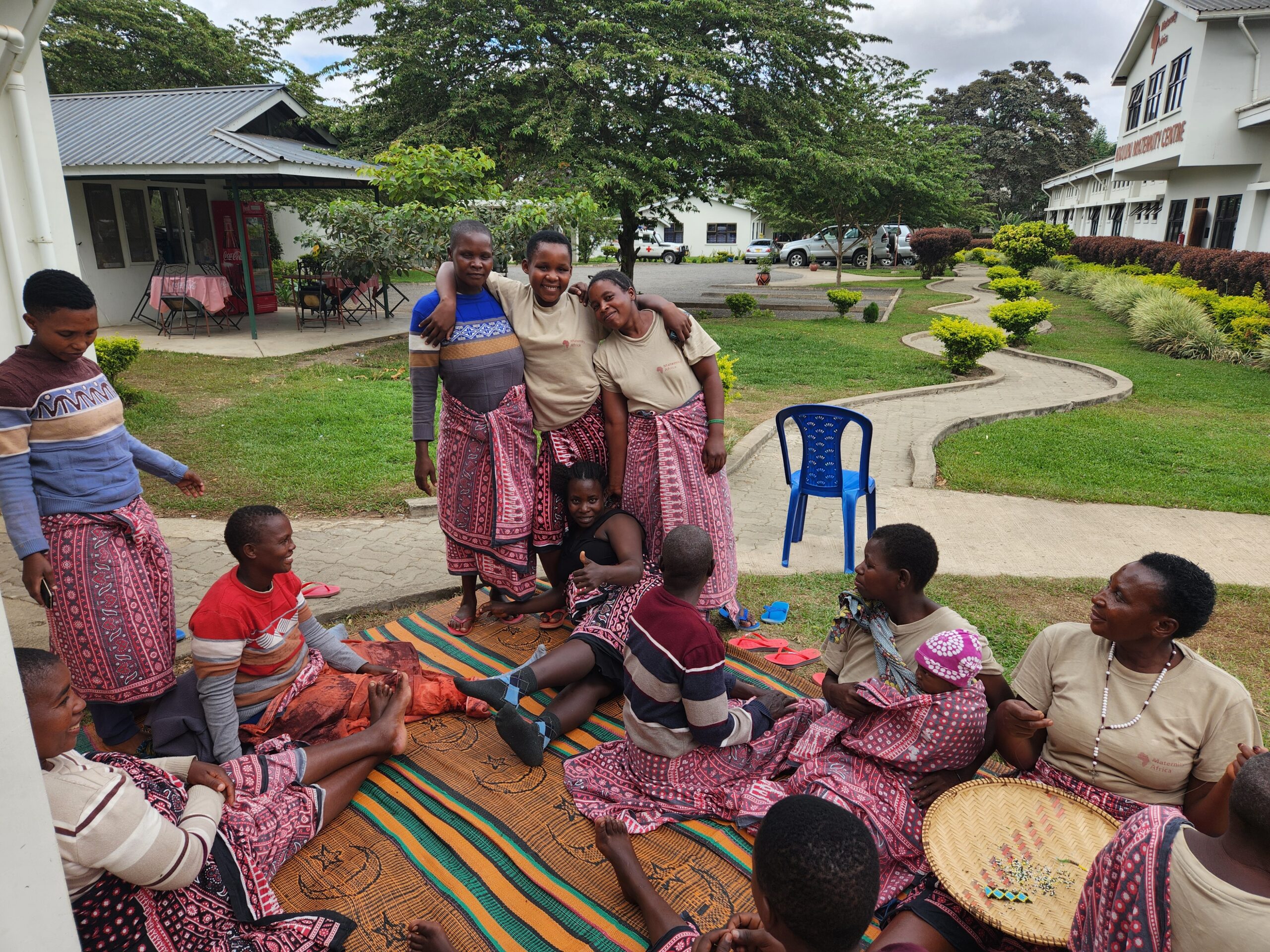
Meet some of the brave women who came to a fistula camp recently.
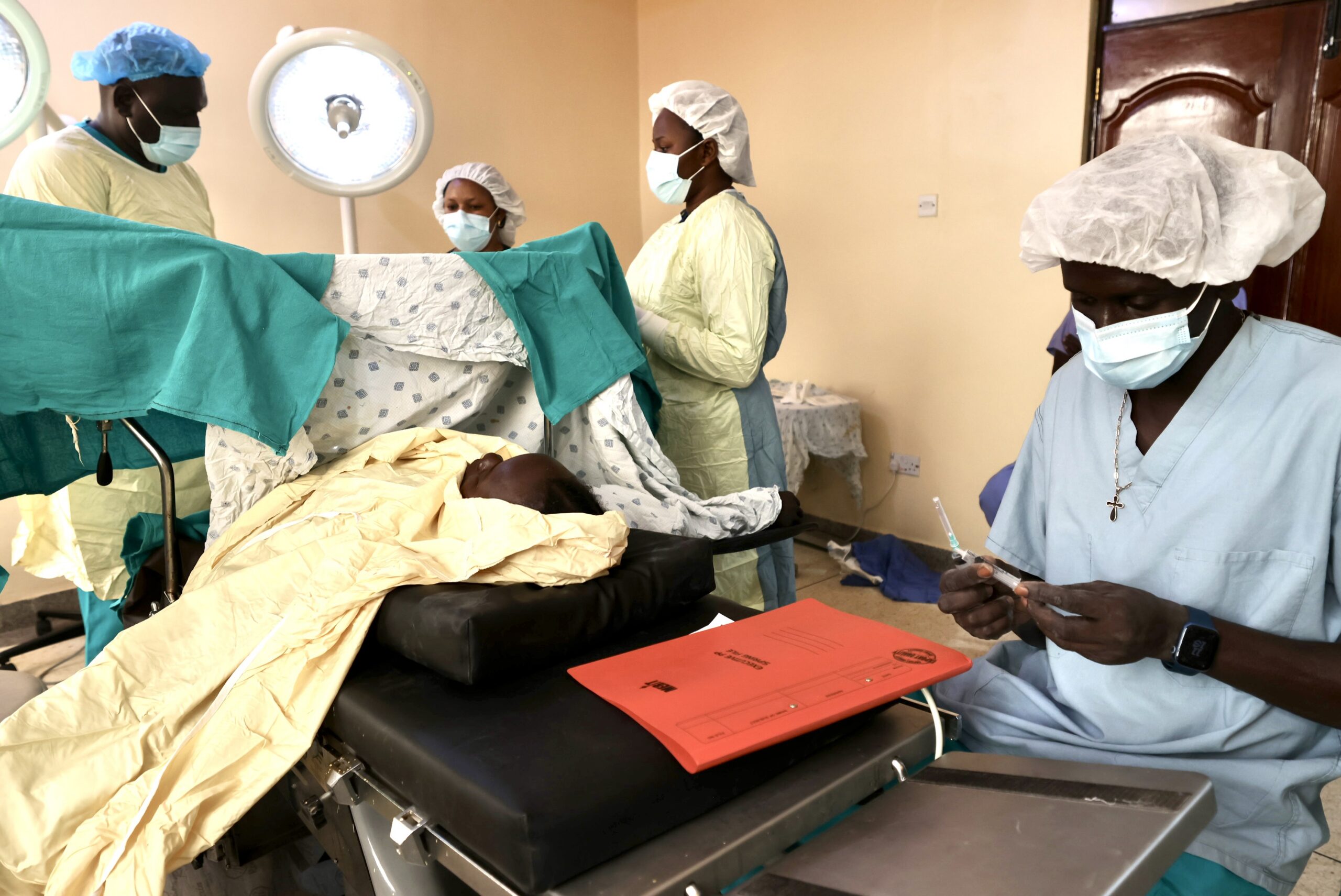
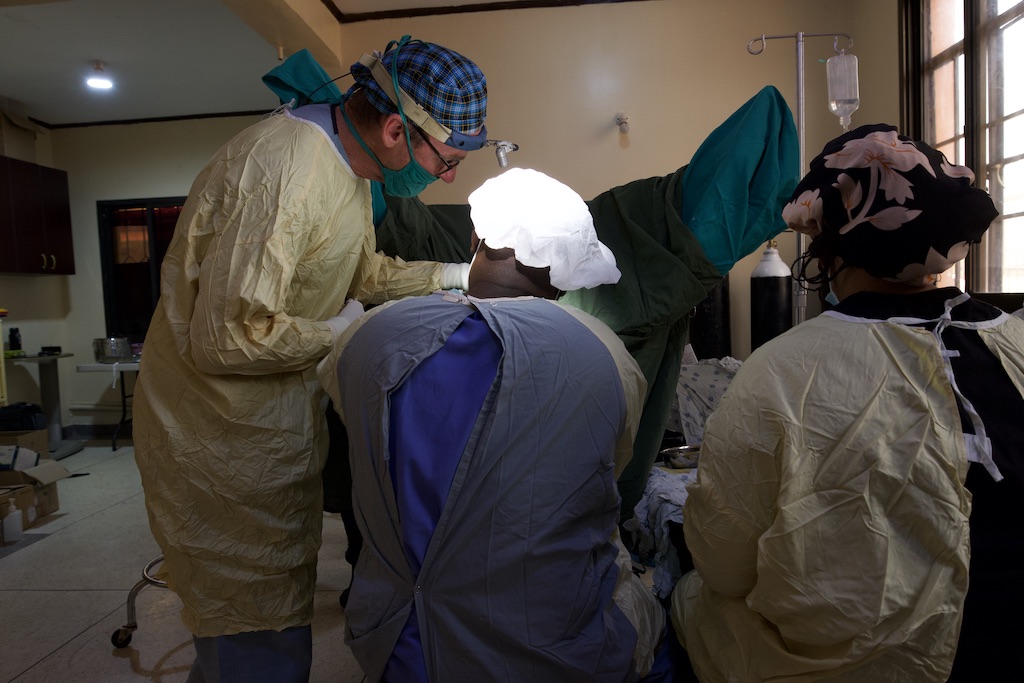
A fistula patient in the operating room in South Sudan.
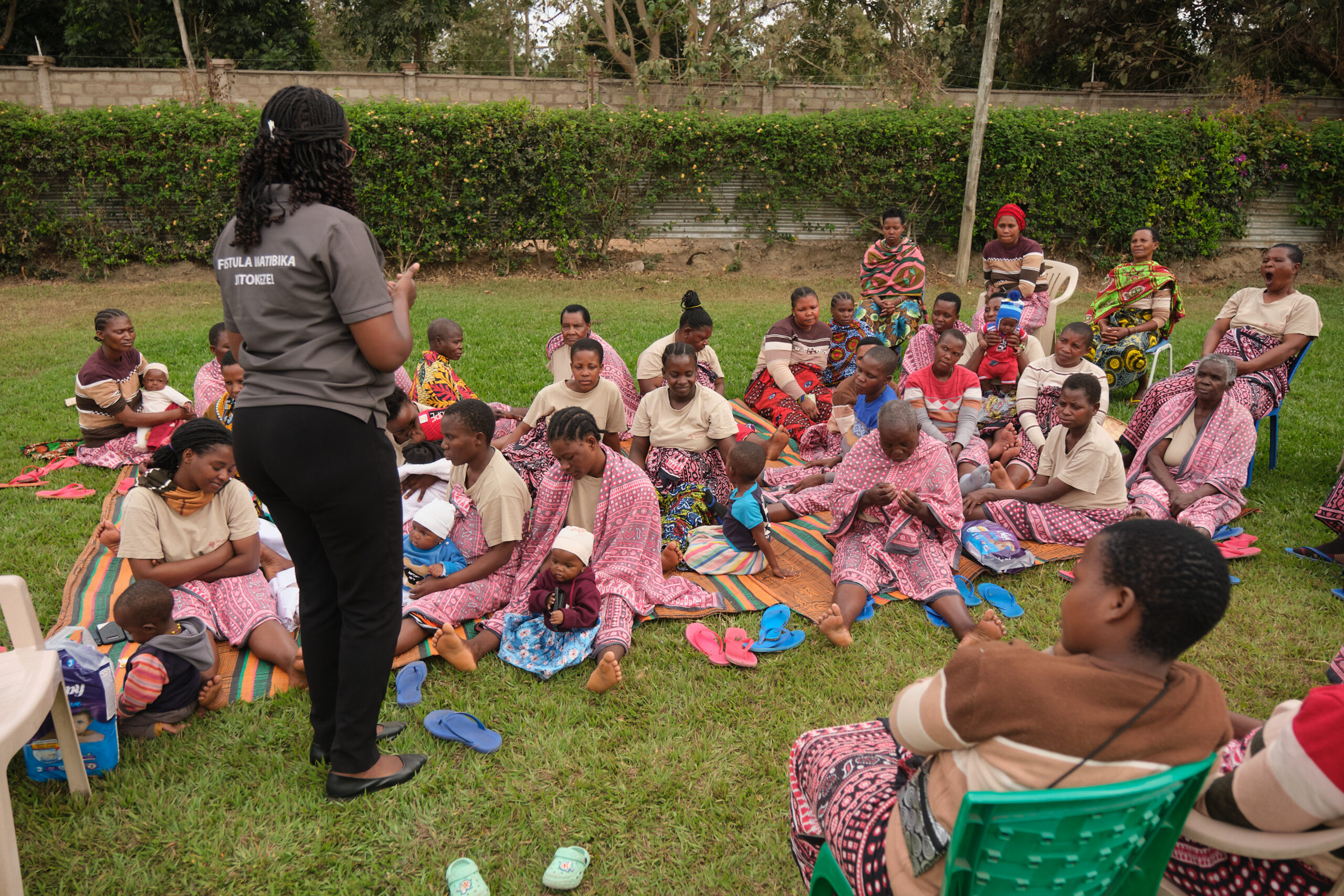
Social workers educate women about their condition and reintegrating back into community life.
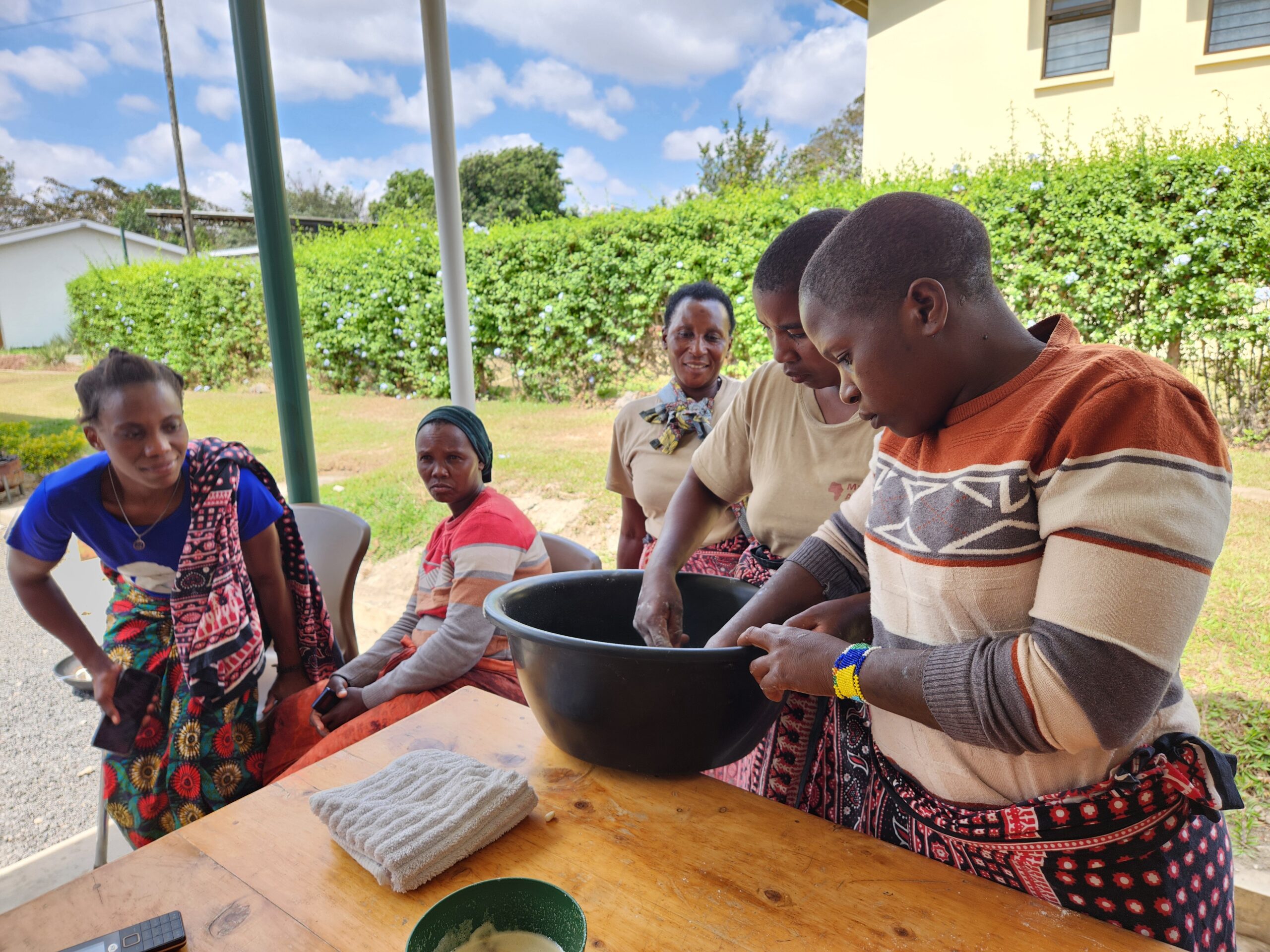
Learning different business skills allows women more choice and independence when they return home.
Training Surgeons – Expanding Our Reach
Each camp is an opportunity for training local fistula surgeons. Sometimes the Ministry of Health sends local doctors, nurses and theatre staff for training. We often have FIGO trainees, and Kivulini Maternity Centre is an official FIGO Training Site. And Dr Andrew, by returning to the same locations multiple times throughout the year, is able to continue specialised training over a long period of time – ensuring trainees’ skills are renewed and continually improving.
Healing is More than Surgery
While patients wait for surgery and recover post-op, trained social workers speak to women about their experiences. Many of these women have suffered enormously throughout their lives, physically and emotionally. Mental health is understandably a huge aspect of healing.
Education is also a priority. Firstly, women learn about their condition and safe maternal healthcare. Secondly, they have the option to learn culturally-appropriate business skills, so when patients return home they are able to support themselves and bring back new skills to their communities. This is important for reintegration and restoring hope for their future.
It is our hope and aim that when women leave a fistula camp, they will go home with their dignity restored – physically and emotionally.
Your support makes these fistula camps possible.